Posted on 9/25/2026
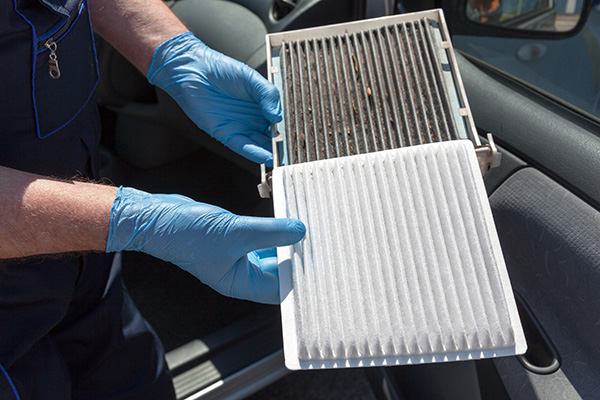
Your cabin air filter works every time you run the heat, air conditioning, or ventilation system. It catches dust, pollen, leaves, road grit, and other debris before that material gets blown into the passenger compartment. Because the filter is hidden behind the glove box, under the dashboard, or near the cowl on many vehicles, it is easy to forget about it. Once it gets packed with debris, the first signs are usually weaker airflow, more dust inside the car, or a ventilation system that doesn't seem to work as well as it used to. Weak Airflow From the Vents Is a Common Sign A clogged cabin filter makes it harder for the blower motor to push air through the HVAC system. You might turn the fan up and hear it working, but the amount of air coming from the vents still feels weak. At our shop, we compare airflow at different fan speeds and check the filter before assuming the blower motor is failing. If airflow improves noticeably with a clean filter, the restricti ... read more
Posted on 8/28/2026

A better road trip starts before the engine is running and the navigation system is giving directions. The condition of the vehicle, the way luggage is loaded, the route you choose, and even the time you leave can affect fuel use, comfort, safety, and the chance of an unexpected delay. Drivers often focus on the destination and assume the car is ready because it handles daily commuting without trouble. Highway speeds, summer heat, long climbs, heavy cargo, and hours of continuous operation place different demands on tires, fluids, brakes, and the cooling system. These seven habits help prepare both the vehicle and the driver before departure. 1. Check The Vehicle Early, Not The Night Before Schedule a road trip inspection far enough in advance to allow time for any needed repairs. Discovering a worn tire, leaking water pump, weak battery, or overdue service the evening before departure creates unnecessary pressure and may limit repair options. The check should incl ... read more
Posted on 7/31/2026
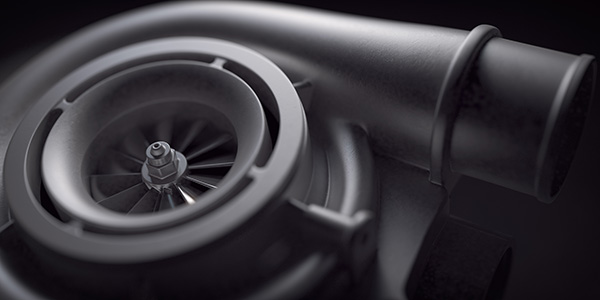
Turbocharged European engines can feel strong, efficient, and quick to respond when everything is working correctly. The turbo helps the engine make more power from a smaller design, which is one reason so many BMW, Audi, Volkswagen, Mercedes-Benz, MINI, Porsche, and Volvo models use forced induction. That extra performance also adds heat, pressure, oil demand, and more parts that need to stay in good condition. A small leak, weak sensor, old oil, or cooling system issue can affect how the turbocharged engine feels. These five problems are some of the most common ones drivers notice as mileage builds. 1. Oil Leaks Around Gaskets, Seals, And Turbo Lines Turbocharged engines depend heavily on clean oil. The turbo spins at very high speed and needs steady lubrication and cooling. At the same time, European engines often use tight packaging, plastic covers, oil filter housings, valve cover gaskets, oil cooler seals, and turbo oil feed or return lines that are exposed to ... read more
Posted on 6/26/2026
A check engine light scan can feel like it should give one clear answer. The light comes on, the scan tool reads a code, and many drivers expect that code to name the bad part. It sounds simple enough from the outside. In real repair work, the scan is a starting point. It tells the technician where the vehicle detected a problem, which system reacted, and sometimes what conditions were present when the fault occurred. That information is useful, but it still needs to be tested against the actual vehicle. What A Scan Tool Reads When the check engine light turns on, the vehicle’s computer stores information about the fault it detected. A scan tool reads that stored information. The most familiar part is the trouble code, such as a misfire code, oxygen sensor code, EVAP code, catalytic converter code, or fuel trim code. The code gives a direction. It does not always give the final answer. A car can store a code because a sensor failed, but it can also store the ... read more
Posted on 5/29/2026

Mercedes ownership comes with a certain expectation. The car should feel refined, responsive, and dependable every time you drive it. When something changes, even slightly, it can raise questions because these vehicles are built with more advanced systems than many drivers realize. Some questions come up again and again because Mercedes repairs are not always obvious from the driver’s seat. Knowing what those questions mean can help you respond earlier and avoid repairs that become larger than they needed to be. 1. Why Is My Mercedes Check Engine Light On? A check engine light can come from many different systems. It might point to ignition issues, fuel mixture problems, emissions faults, airflow problems, or sensor readings outside the expected range. The car may still drive normally at first, which is why many owners wait. A proper diagnostic is important because the code only gives a starting point. Replacing parts based on the code alone can waste money a ... read more
Posted on 4/30/2026

A Cadillac can stay comfortable, quiet, and strong on the road, even while small signs of wear are starting to build underneath. That is part of what makes service easy to delay. The SUV or sedan still drives well enough, so the next oil change, fluid service, or inspection gets pushed a little farther down the list. That extra time is when repair bills start to grow. Why Cadillac Problems Get More Expensive When Service Slips ManyCadillac repairs do not begin as major failures. They begin with wear that was left alone too long. Fluids get older, rubber parts age, batteries weaken, cooling components start leaking, and suspension parts loosen up a little at a time. None of that sounds severe at first, which is exactly why drivers keep going. The trouble is that Cadillac systems tend to be closely connected. One neglected service item can start affecting other parts around it. A smaller repair can turn into several once heat, friction, or electrical strain gets invo ... read more
Posted on 3/27/2026
%20copy.jpg)
When a serpentine belt breaks on the road, it can feel like the car suddenly developed three different problems at once. The steering may feel different, warning lights can pop up, and you might notice the engine temperature creeping higher than it ever has. The stressful part is deciding whether you can keep going for a bit or whether you need to shut it down immediately. The safest plan is knowing what the belt affects and what to watch in the first minute. What Changes The Moment The Belt Breaks The serpentine belt drives key accessories off the engine’s crank pulley. The alternator is almost always on that belt, and many vehicles also run the water pump and A/C compressor from it. Some vehicles use the belt for hydraulic power steering as well, while others have electric steering that is not belt-driven. Once the belt is gone, anything driven ... read more
Posted on 2/27/2026
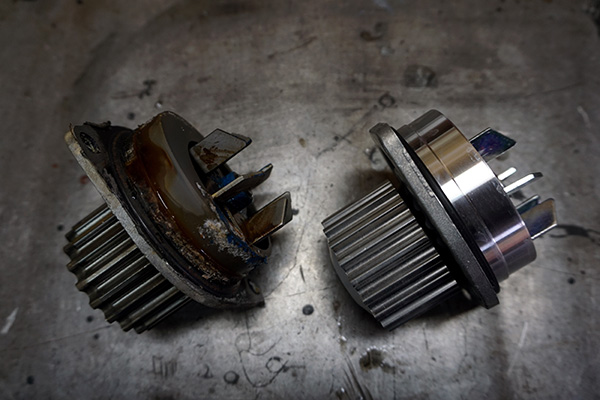
A failing water pump rarely announces itself with one big, obvious event. More often, it starts as a slightly warmer temperature reading in traffic, a faint coolant smell after parking, or a small drip you only notice once in a while. The tricky part is that the engine can still feel normal right up until it doesn’t. Water Pump Job In The Cooling System The water pump keeps coolant moving through the engine, radiator, and heater core. When flow is steady, the engine sheds heat evenly, and temperatures stay predictable across different driving conditions. As the pump weakens, coolant circulation becomes less consistent. That inconsistency is what sets the stage for temperature spikes, air pockets, and the kind of overheating that shows up at the worst possible time. Water Pump Failure Symptoms Some warning signs are physical, like noise or a drip. Others show up as changes in how the cooling system behaves, especially in stop-and-go driving ... read more
Posted on 1/30/2026
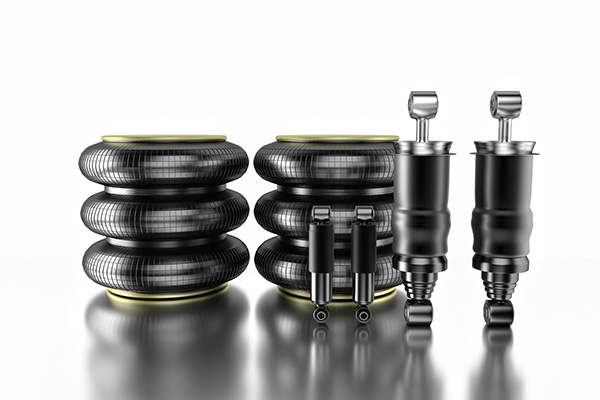
Air suspension is one of those features you appreciate most when it fades into the background. The vehicle sits level, the ride stays calm, and you don’t think about it again. When it starts acting up, though, you usually notice it in the stance first, then the ride, then the warnings that seem to show up at the least convenient time. The good news is that most air suspension problems give you a chance to catch them early if you know what to watch for. How Air Suspension Is Supposed To Behave Instead of traditional springs, the system uses air springs that inflate and deflate to support the vehicle. A compressor supplies air, valves distribute it, and height sensors report where each corner is sitting. The control module constantly makes small corrections to keep the vehicle level and at the height you selected. Because the system relies on air pressure and accurate signals, small issues can cause significant problems. A small leak can make the compressor run ... read more