Air suspension is one of those features you appreciate most when it fades into the background. The vehicle sits level, the ride stays calm, and you don’t think about it again. When it starts acting up, though, you usually notice it in the stance first, then the ride, then the warnings that seem to show up at the least convenient time.
The good news is that most air suspension problems give you a chance to catch them early if you know what to watch for.
How Air Suspension Is Supposed To Behave
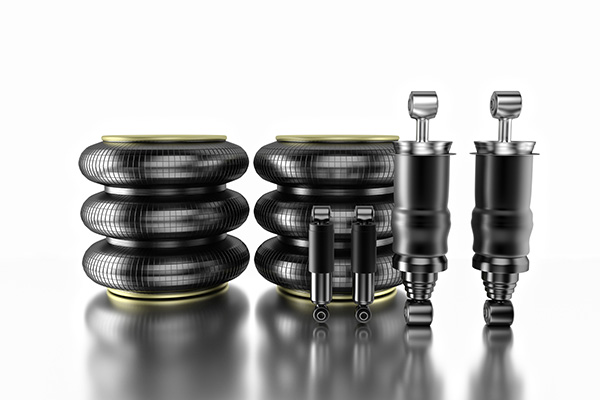
Instead of traditional springs, the system uses air springs that inflate and deflate to support the vehicle. A compressor supplies air, valves distribute it, and height sensors report where each corner is sitting. The control module constantly makes small corrections to keep the vehicle level and at the height you selected.
Because the system relies on air pressure and accurate signals, small issues can cause significant problems. A small leak can make the compressor run more than it should. A sensor that reads incorrectly can cause the vehicle to chase a height that was never wrong in the first place.
Sagging And Leaning Clues You Can Spot In The Driveway
Sagging after parking is one of the most common early signs. You park it level, come back later, and one corner is noticeably lower, or the rear sits down more than it used to. Sometimes it rises again after you start it, which can make the problem feel inconsistent, but that pattern still points to air loss or control issues.
Leaning is another clue. If it looks tilted in a parking lot, especially after sitting overnight, it’s worth taking seriously. Even if it still drives, that uneven stance usually means the system is not holding pressure evenly across the corners.
Warning Messages And Mode Limits: What They Usually Point To
Warnings can appear as a suspension fault message, an unavailable height setting, or a system that refuses to raise the vehicle. Sometimes the vehicle lowers itself and stays there, which is often the system protecting itself from a condition it does not like, such as pressure loss or compressor overheating.
If you hear the compressor running frequently, especially after short stops, that’s a useful detail. It often means the system is repeatedly trying to recover pressure. When drivers tell us the warning comes and goes, or only appears after a longer drive, that timing helps narrow whether we’re dealing with heat, leak rate, or an electrical signal issue.
Rough Ride And Noises: When It Is Air And When It Is Hardware
A rough ride can mean the vehicle is no longer holding the correct height consistently, which changes suspension geometry and travel. Some drivers describe a harsh impact from bumps. Others describe a floaty bounce that takes too long to settle. Either can happen depending on which corner is affected and how the system is compensating.
Noises matter too. A clunk over bumps can point to worn mounts or suspension joints, not just air components. A steady hum or growl that changes with speed can hint at a wheel bearing issue, which can also affect sensor readings and confuse the system. It’s not always one clean cause, so the inspection needs to look at the whole picture.
The Usual Failure Points On Land Rover Air Suspension
- Air springs that crack and seep, causing one corner to drop after sitting
- Compressors that become weak or overworked, leading to slow height changes
- Valve blocks that stick or leak internally, causing uneven behavior side to side
- Height sensors or sensor linkages that report incorrect position
- Air lines and fittings that seep slowly and are hard to spot without testing
One thing we see often is the snowball effect. A small leak forces the compressor to run overtime, and you end up dealing with more than just the original leak.
What To Do When It Drops
If the vehicle is slightly low but still stable and not throwing urgent warnings, it’s usually fine to drive carefully to get it checked. Keep speeds reasonable and avoid heavy loads, because the suspension may not have the same travel or control.
If it’s very low, leaning heavily, or the compressor seems to be running constantly, move it up the priority list. Continuing to drive that way can add stress to the compressor and can create handling issues you don’t want to discover during an emergency maneuver. If you ever see a red brake warning or the vehicle feels unstable, it’s smarter to stop and arrange help rather than pushing it.
Get Land Rover Air Suspension Repair in Garland, TX with North Dallas Imports
If your Land Rover is sagging, showing suspension warnings, or riding rough, it’s worth getting it tested before the problem spreads into multiple parts. We’ll pinpoint whether it’s an air spring leak, compressor issue, valve problem, or a sensor input that’s throwing the system off.
Get Land Rover air suspension repair in Garland, TX with North Dallas Imports, and we’ll help you get back to a level stance and a smooth ride you can trust.