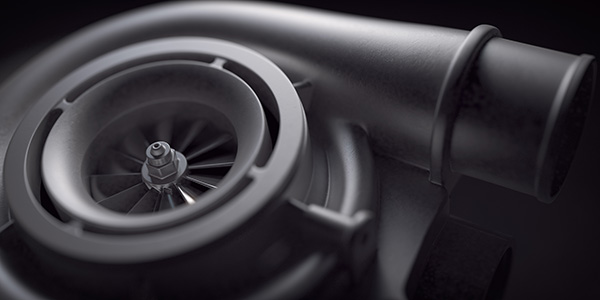
Turbocharged European engines can feel strong, efficient, and quick to respond when everything is working correctly. The turbo helps the engine make more power from a smaller design, which is one reason so many BMW, Audi, Volkswagen, Mercedes-Benz, MINI, Porsche, and Volvo models use forced induction.
That extra performance also adds heat, pressure, oil demand, and more parts that need to stay in good condition. A small leak, weak sensor, old oil, or cooling system issue can affect how the turbocharged engine feels. These five problems are some of the most common ones drivers notice as mileage builds.
1. Oil Leaks Around Gaskets, Seals, And Turbo Lines
Turbocharged engines depend heavily on clean oil. The turbo spins at very high speed and needs steady lubrication and cooling. At the same time, European engines often use tight packaging, plastic covers, oil filter housings, valve cover gaskets, oil cooler seals, and turbo oil feed or return lines that are exposed to constant heat.
As seals and gaskets age, oil leaks can begin. You may notice a burning oil smell, smoke from the engine bay, oil spots under the vehicle, or low oil warnings between services. Some leaks are easy to see. Others spread across the engine before they drip.
An oil leak should be checked early on a turbocharged engine. Low oil can damage timing components, camshafts, bearings, and the turbo itself. Oil dripping onto hot exhaust or turbo parts can also create smoke and strong smells after driving.
2. Boost Leaks And Loss Of Power
A turbocharged engine uses pressurized air, often called boost, to make power. That air travels through hoses, pipes, intercoolers, clamps, valves, and intake components before reaching the engine. If one part cracks, loosens, or leaks, boost pressure can escape.
A boost leak can make the vehicle feel weak, slow to accelerate, or inconsistent. You may hear hissing, whooshing, or a whistle that was not there before. The check engine light may come on, and fuel economy may drop because the engine computer is trying to correct air readings that no longer match the actual air entering the engine.
Boost leaks can be tricky because the vehicle may still drive normally during light throttle. The problem often becomes more obvious during passing, highway merging, or uphill driving when the turbo is working harder.
3. Carbon Buildup On Intake Valves
Many European turbocharged engines use direct injection. Direct injection can improve performance and efficiency, but it can also lead to carbon buildup on intake valves because fuel is sprayed directly into the cylinder rather than washing over the back of the valves.
Over time, carbon deposits can restrict airflow and affect engine performance. Drivers may notice rough idle, hesitation, misfires, poor fuel economy, hard starts, or reduced power. In some cases, the check engine light may come on with misfire or airflow-related codes.
Carbon buildup is not always prevented by normal fuel additives because the fuel does not pass over the intake valves the same way it does in older port-injected engines. The right cleaning method depends on the engine design and how severe the buildup is.
4. Cooling System Stress And Overheating
Turbocharged engines create extra heat. The cooling system has to protect the engine, turbo-related components, and, in some cases, coolant-fed turbo lines. Radiators, water pumps, thermostats, hoses, coolant reservoirs, caps, and plastic fittings all work under heat and pressure.
European cooling system parts can become brittle with age. A small coolant leak may show up as a sweet smell, a low coolant warning, crusty residue, steam, or temperature changes in traffic. Some leaks only happen when the engine is hot and the system is under pressure.
Overheating a turbocharged engine can become expensive quickly. Heat can damage gaskets, seals, sensors, hoses, and internal engine parts. Regular maintenance helps catch weak coolant parts before a small seep becomes an overheating problem.
5. Turbocharger Wear Or Wastegate Problems
The turbocharger itself can wear over time. Bearings, seals, wastegates, actuators, and related controls all deal with heat, exhaust pressure, and high rotation speed. A failing turbo may cause whining noises, exhaust smoke, increased oil consumption, low boost, overboost codes, or weak acceleration.
Wastegate and actuator problems can also affect boost control. If the turbo cannot control pressure correctly, the engine may feel inconsistent or enter reduced-power mode. The problem may be mechanical, electrical, vacuum-related, or software-related depending on the vehicle.
Turbo failure is often the result of another issue, such as old oil, low oil, oil contamination, intake debris, coolant problems, or ignored boost leaks. That is why an inspection should examine the entire turbo system rather than just replacing the turbocharger.
Warning Signs Turbocharged Engine Problems Need Testing
Turbocharged engine problems can overlap with ignition, fuel, sensor, and transmission concerns. Watch for signs such as poor acceleration, oil smell, smoke, low coolant, hissing noises, rough idle, misfires, warning lights, or changes in fuel economy.
A proper diagnostic process may include scan tool data, smoke testing, boost pressure checks, oil leak tracing, cooling system pressure testing, and checking service history. Replacing parts too quickly can miss the real cause, especially on European engines with several connected systems.
Get European Turbocharged Engine Repair In Garland, TX, With North Dallas Imports
If your European vehicle has oil leaks, boost loss, smoke, rough idle, coolant loss, warning lights, or weak acceleration, North Dallas Imports in Garland, TX, can test the turbocharged engine system and explain what needs attention.
For European turbocharged engine repair before small symptoms turn into larger problems, contact us to schedule an appointment.